

YOU ARE IN GOOD HANDS

$basic_details->company_name

QUALITY PRODUCT

$basic_details->company_name

FREE SHIPPING

$basic_details->company_name

14 DAYS RETURN

$basic_details->company_name

24/7 SUPPORT TEAM

ABOUT US

WE ARE EXPERT IN MARINE INDUSTRY

COMPANY

Jiangyin Minsun Marine Taking Marine Journeys To The Next Level

We take pride in crafting top-notch marine vessel fittings that redefine excellence on the high seas. As a premier marine outfitting supplier, we specialize in delivering exceptional quality in marine outfitting, marine furniture, and marine vessel interior panelling that sail beyond expectations.

$basic_details->company_name

PRODUCTS

LATEST PRODCUTS

TESTIMONIALS

SEE OUR CLIENTS FEEDBACK

OUR BLOG

READ AND LEARN MORE

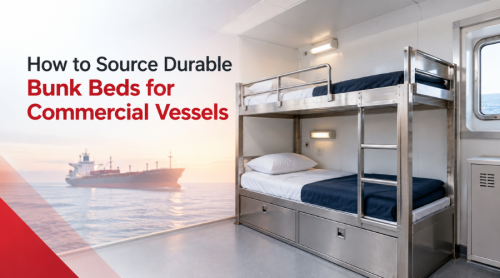
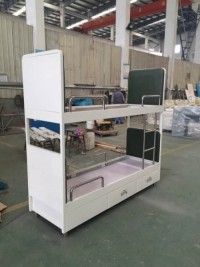
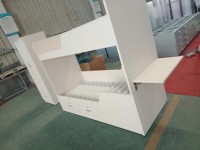
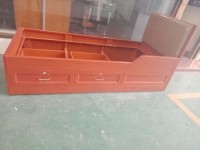
Sea life or life on an offshore platform is not the same as on land. The space is limited. We are living in a demanding environment. The people there require rest, comfort, and safety, all in a very limited space. That is why the furniture in the marine and offshore living quarters should be carefully selected. The most useful and needed product for these spaces is the double bunk bed, among all other furniture items. It can be a massive cargo vessel, a merchant marine company, a drilling rig, or an offshore accommodation platform. There are almost no government quarters without a double bunk bed. They solve several issues simultaneously- space, capacity, safety, and durability. There are very few other furniture options that can match this. To understand why such beds are necessary, it is first very important to understand the environment in which they should be constructed.   Reality of Space in Offshore and Marine Environment Small Areas, Large Capacity The first and most urgent problem in any maritime or offshore location is space. Cabins are compact. Corridors are narrow. No space has been wasted. Any heavy or cumbersome furniture is just not possible. A typical single bed occupies the same floor area as a double bunk bed. However, with a double bunk bed, two individuals can be placed in the same space. This increases the sleeping capacity twice and does not widen the room in any manner. The Smart preparation of Large crews A dozen or even hundreds of workers are usually present on offshore platforms and ships at any given time. Their combination can all be fitted in comfortably through smart space planning. This is possible with double bunk beds that will not compromise the comfort or privacy of individuals. This type of efficiency is not only useful in conditions where each inch is calculated and counted. It plays a vital role in the entire operation of the living quarters.   Why Standard Furniture Will Not Succeed Here The Issue with Standard Beds It may seem easy to use standard household beds in marine quarters. Standard furniture is not constructed to fit such an environment. Offshore rigs and ships are in continuous motion. Everything on board is subjected to waves, vibrations, and changing conditions. This is not accommodated in regular beds. They can slide, move, or lose stability. In the worst case, they pose a direct safety risk to everybody using them. Severe Environment Ruins Standard Materials High humidity, salt air, and variable temperatures are also encountered in marine environments. These environments accelerate corrosion. They make wood-based furniture swell. They wear materials that should not be subject to these exposures. Standard furniture rusts easily in such an environment. This is the reason why it is so crucial to work with a trusted double bunk bed manufacturer. A marine and offshore furniture manufacturer is familiar with these issues. They make products that can last.   Built for Durable and Harsh Conditions Marine Environment Engineered The marine and offshore type of double bunk beds is no ordinary bed with a few modifications. They are designed furniture, intended to work under such rigorous conditions in the long term. All design tasks, including the working metal and joint construction, are planned for severe marine conditions. Tested Before They Get to a Vessel These beds undergo extensive development before reaching a vessel. The choice of materials, load testing, and the quality of the finish are all thought through. The aim is never different: to have a bed that will provide reliable service, withstand the environment, and ensure safe occupancy throughout its service life. Materials That Last The most widely used materials include powder-coated steel and aluminum of marine-grade. The two are both resistant to corrosion. Both are easy to clean. And both are fit to cope with the physical challenges of a workplace. Other manufacturers use stainless steel on some parts, especially in regions with high moisture. The finishes used on these beds are also designed to prevent rust and long-term deterioration. A good double bunk bed supplier must ensure that the materials and paint meet the standards required in the marine industry. It is not only about longevity. It also involves ensuring that there is a safe and hygienic sleeping environment for the people who rely on these quarters on a daily basis. Structural Strength The marine environment does not compromise on structural integrity. Even when the ship is rolling or pitching in the rough seas, a bunk bed on the ship has to be stable. Welds must be strong. Joints must be secure. The general frame should be able to withstand constant vibration associated with spending long periods at sea. Trusted manufacturers subject their products to intensive testing to ensure they perform structurally in the actual conditions of marine environments. They adhere to global requirements specific to marine and offshore furniture. Such quality assurances are what a specialist double bunk bed manufacturer can offer. It is what makes purpose-built marine furniture stand out from ordinary furniture.   Safety Is a Top Priority The Reason why Safety cannot be compromised Safety is not an option in a marine or offshore living quarter. The employees residing in these quarters usually have long, hardworking shifts. They need restful sleep. They should also be able to feel safe altogether in the place where they are sleeping. A poorly constructed or designed bunk bed poses dangers that no operator can risk. The Cost of Poor Safety The aftereffects of inadequate safety in a marine environment are acute. An employee injured as a result of a defective bed is an issue felt throughout the operation. These safety measures in bunk beds are not an extra. They are essential conditions that any responsible operator must demand.   Fall Prevention and Guard Rails Marine double bunk beds will always have a guard rail on the upper bunk. These ensure that the occupants do not roll off during sleep, especially when the vessel is sailing through rough conditions. The rails are made robust and securely attached to the frame so they do not become loose over time. Fire Safety Compliance Strict fire safety regulations apply to marine environments. Such regulations apply to all materials applied to the board. The material of the bunk beds, such as mattresses, as well as any foam components, should be of a certain fire resistance. A good double bunk bed supplier should ensure that their products are in accordance with the rules and regulations, such as SOLAS (Safety of Life at Sea), and other organizations related to maritime. This conformity is not merely a legal condition. It is a real-life-saving precaution that ensures that lives are saved on board. Operators who procure beds from suppliers without the required certifications risk inspection. Moreover, they subject their staff to the risk of being caught off guard during a fire or emergency.   Comfort Matters Too Rest Affects Performance It has sometimes been assumed that comfort is a minor consideration in working marine settings, which is incorrect. Employee satisfaction directly influences performance and well-being. A poorly sleeping workforce is not productive. They are more prone to errors. And they are at more risk of occupational accidents. A Home Away from Home Individuals in offshore platforms and ships spend weeks and months without being home. Throughout their stay, their sleeping quarters are their main personal space. The difference is a comfortable bunk bed that provides enough mattress support and ventilation and offers reasonable privacy. Workers' satisfaction and performance result from operators' investments in quality sleeping arrangements. Ventilation and Airflow Investment in good bunk beds in the marine environment is ventilated. The use of slatted bases enables air to circulate around the mattress. This reduces humidity accumulation and increases sleep comfort. It is especially valued when it is hot or belowdecks, where heat and humidity may be ever-present issues. The adequate air circulation also slows the development of the molds and bacteria in the bedding and the mattress. Hygiene is a major issue in a crowded place with several people. Personal Storage and Space Most marine-type double bunk beds have built-in storage. These typically include:   • The base has drawers where clothes and personal items can be stored. • The frame has shelves that can be used to store daily necessities. • Under-bunk facilities that utilize unused space.   The presence of personal storage directly on the bed means there is no need for extra furniture in the cabin. The reduced furniture also leads to increased floor space, less cleaning, and fewer things on the living room floor. An organized, clean personal space means a lot to the daily comfort and mental well-being of workers who spend considerable time away from home.   Modification of Different Vessels No Two Vessels Are the Same Maritime and offshore settings are not similar. The needs of a naval warfare ship are not similar to those of a commercial fishing ship. The double bunk beds must fit within such contexts. A single solution can't work in this industry. Understanding the Differences Each type of vessel has its size limitation, regulatory policies, and labor demand. The cabin layout on a passenger ferry is not similar to that of a research vessel. An accommodation barge is not equivalent to a submarine tender. These differences are the first step towards making the correct bed selection for any specific application. The appearance of customization An effective double bunk bed manufacturer would offer customization to enable the beds to be designed to meet their requirements. These options can include:   • Specially made sizes to accommodate odd ceiling heights or floor plans in the cabin. • The use of materials and finishes is appropriate to environmental requirements. • User-friendly table lamps.   The sizes should be custom-made, especially here, because the cabins have different ceiling heights, floor plans, and doorway measurements. A bed that cannot be carried through a hatch or put up in a small area is not viable. These logistics are taken into consideration by experienced manufacturers even in the design process itself.   Simplicity in Assembling and Maintaining Keeping Things Simple Maintenance has to be simple in a marine or offshore environment. There is not even room to cover complicated furniture that needs a special tool or takes so long to fix. Time is always limited. Maintenance workers must be fast and efficient to ensure everything is in working order. The Expense of Downtime Downtime on a unit of work or an operating platform is expensive. Each hour wasted on unproductive maintenance has operational and financial effects. This burden is greatly minimized by easy-to-assemble, inspect, and repair furniture. It also implies that the replacement can be done with minimal inconvenience to the crew. Designed for Quick Assembly High-quality double bunk beds are easy to assemble and to disassemble. The components must be self-labeled and arranged to make installation simple. This is important when beds must be placed in small areas or overhauled during an ongoing work schedule. The manufacturers are aware of the marine industry and design their products keeping these effective implementations in mind.   The Importance of a Trustworthy Supplier More Than Just a Transaction The importance of selecting the correct supplier is as crucial as selecting the correct product. Marine and offshore projects are associated with strict schedules. Specific regulatory requirements and the need for uniform quality in large orders also characterize them. A supplier failing to meet these needs causes troubles that go far beyond mere delivery delays. The Procurement Failure Risk Failure to procure in the marine industry has grave downstream implications. Any delay in delivering cabin furniture can stall a complete vessel fit-out. Non-compliant products can cause regulatory problems. These are risks that any operator would not wish to operate with. A trusted supplier removes them before they occur. What to Look for in a Supplier An efficient double bunk bed supplier knows such requirements through experience. Major characteristics that should be sought are:   • Knowledge of marine and offshore projects of various types of vessels. • Facility to handle bulk orders effectively and punctually. • Correct certifications and documentation that are up to standards. • Uninterrupted product quality in large and small orders.   Environment and Regulatory Standards A Highly Regulated Industry The marine and offshore business functions under one of the strict sets of global regulations across all sectors. The furniture to be used in such environments must meet requirements prescribed by organizations such as the International Maritime Organization. These standards are set to save human life and to ensure safe operating conditions on board. The Implications of Non-Compliance The failure to comply is no longer only a regulatory problem. It is a bad name for the operator and a liability to control. It is the easiest way to avoid all these issues and to show concern for quality and safety when sourcing furniture from trusted, reliable manufacturers. Marine Sector Sustainability A certified double bunk bed manufacturer should hold certifications indicating that the product meets these requirements. This paperwork is usually required when conducting inspections and audits of vessels. In addition to compliance with the rules, there is an increasing pressure in the marine sector to become more sustainable.   Long-term Cost Effectiveness Immediate Benefits Will Have Future Costs The first thing to consider is the initial cost. However, in the marine and offshore industry, matters of long-term value are much more important. Low-cost furniture that wears out easily is more expensive in the long run. Constant replacements, repairs, and disruptive functioning are cumulative. All the replacement and repairs cost far more than the price of the piece of furniture. The True Cost of Low Quality Cheap furniture is actually expensive, and you realize its true cost only when issues start. At this point, the cost and inconvenience may well exceed the amount that would have been spent on some quality goods initially. This is a lesson learned and taken seriously by some veteran players in the marine industry.   Conclusion The double bunk beds are not merely a form of space-saving in the residential areas of marine and offshore life. They are a well-crafted reaction to a specific and very challenging set of issues. With the right bed sets, living quarters are not merely places of function. They end up being a place where employees can really sleep, take a break, and come prepared to hold the next shift. That is more important than most people may realize in an industry as stressful as marine and offshore work.  

ACTION

MAY 2023

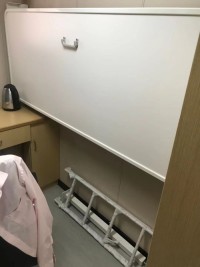
Folding beds are now popular in various industries. These multifunctional sleeping solutions can be used by various groups in diverse places. Folding beds offer useful benefits in cruise boats, hotels, and residential homes. These are the advantages that people and businesses can learn to make the right purchasing choices. This guide explains why folding beds can be considered an important investment in marine, hospitality, and residential settings. Space Efficiency in Marine Environments Space is the most valuable commodity on any vessel. Each square foot should have many functions. Traditional beds are consuming space that could be utilized in other activities. This is the main challenge that folding beds address. Maximizing the use of Minimal Cabin Space Cabins are ridiculously small and confined. Sleeping facilities should not take up more space than the room can accommodate for crew members and passengers. Folding beds are mounted on walls or fold into small units. The space is open to other uses during the day. This flexibility is valued among yacht owners. Guest cabins can be converted into lounging rooms. The space has multiple purposes during the day. This is multi-purpose, improving on every square foot. Stability and Safety on Water Marine environments require furnishings that remain stable during transportation. There are always motion challenges due to waves and rocking. Quality folding beds from a reputable manufacturer feature specific mounting systems. These systems hold beds firmly during the rough seas. The locking systems are designed not to fold accidentally during use. This is one of the essential safety functions in the marine environment. The passengers and crew can sleep without fear of the bed collapsing. Reliable installations are provided to comply with the maritime safety standards. Salt and Moisture Resistance The conditions in the ocean are not very kind to furniture and equipment. Metal elements are fast corroded by salt air. The presence of moisture enhances rusting and corrosion. Marine-grade folding beds are constructed from materials that are corrosion-resistant. The framing and hardware are made of stainless steel that can resist saltwater. Moisture-proof mattresses are used to prevent the growth of mold and mildew. These special characteristics give these products a long service life under harsh conditions. The initial investment cost is rewarded in the long term. Hospitality Industry Application Hotels, resorts, and other accommodation business establishments have their own issues. Guest needs vary throughout the year. Folding beds offer versatile measures to improve operations and guest satisfaction. Accommodating Extra Guests Hotels are often asked to provide more sleeping space. A family would prefer everyone to be in the same room. Business passengers carry their clients to meetings. The traditional rollaway beds are cumbersome and difficult to store. Wall-mounted folding beds offer better options. They have permanent installations, but they are not visible when not in use. Housekeeping employees can install them in a few minutes to fulfill guests' orders. The professional look is sufficient to match the room's standard furnishings. Seasonal Demand Management The resort's property undergoes high and low occupancy. Summer resort areas are overrun with tourists. The number of visitors is reduced significantly in winter. Folding beds enable effective seasonal capacity control. The entire available space is turned into sleeping space during peak seasons. Extra guests are served in conference rooms and suites. Storage during the off-season is minimal compared to conventional beds. This flexibility maximizes revenue potential year-round. Hosting of events and conferences Large hotels must serve big events with temporary sleeping rooms. Guests need a lot of room during wedding parties. Corporate retreats come with groups that require special accommodations. Folding beds convert meeting rooms to residential accommodation. The quick assembly and disassembly fixture is event-timed. The room is easily transformed into sleeping quarters. A breakdown in the morning allows spaces to return to normal functions. This flexibility makes properties more appealing for group reservations. Collaborating with Trustworthy Suppliers Hospitality companies must have reliable sources of equipment. A reliable folding bed supplier has quality consistency and punctuality. Major hotel chains need the same products in different hotels. Trustworthy suppliers bring about standardization and compatibility. There could be cost savings from buying in bulk from exporters, as many of them have become well-known. Volume discounts enhance project budgets. Other value-added features are technical support and warranty. Good relationships with suppliers are a plus for long-term operations. Residential Benefits and Applications The advantages of folding beds are becoming evident to homeowners. The modern homes and apartments do not necessarily have guest rooms. Families require flexible pieces of furniture. Folding beds meet the residents' needs. Small Apartment Living Urban apartments are usually small. Each room is supposed to be used in several ways during the day. A bedroom cannot be used as a permanent home office. Folding beds allow for real multi-purpose rooms. Wall-mounted units disappear entirely when not in use. Most of the time, the room serves its main function. Visitors can fold the bed when necessary. With such freedom, small spaces are habitable and friendly. Expanding Families and Adapting Needs The family size and composition are dynamic. Babies require a nursery for care. Young people seek their individual rooms. The parents can relocate to stay temporarily or permanently. The folding beds meet these changing needs. The playroom can transform into a children's bedroom as they age. With no guests to bed, empty nesters turn bedrooms into hobby rooms without losing the option to have guests sleep there. Furnishings change with life's situations. Unexpected Visitors and Emergencies Life has unforeseen occurrences that demand more sleeping room. Friends require emergency accommodation. Family members show up at any time. Holiday parties invite unnecessary individuals. Quality folding bed prevents embarrassing moments. Visitors are provided with good sleeping conditions. The host does not need to go scrambling trying to find a last-minute solution. With suitable accommodation, everyone can sleep better. Home Value and Appeal Modern homebuyers value space-saving and multiple functionality. Flexible rooms are more appealing in properties. An office with a Murphy bed would be more valuable than a single-purpose room. Such flexibility can positively affect sales prices. Advertisements that showcase the multiple uses of space in real estate create more appeal. Potential consumers imagine how they will utilize the space to meet their needs. The folding bed shows innovative problem-solving and modern design.  Comfort and Quality Considerations The early folding beds were not well regarded for their comfort. The modern designs and materials have transformed this perception to the extreme. Folding beds today do not fall short of standard beds in terms of sleep quality.   Developments in Mattress Technology Modern folding bed mattresses incorporate modern materials. The memory foam is quick to shape to the body. The hybrid designs integrate different foam densities. These mattresses are comfortable to use for extended periods. The thickness is available in inexpensive and luxurious versions. Mattresses should be thinner for occasional visitors. Regular sleep is achieved with thicker, premium mattresses. Customers can specify the mattress's matching quality and usage patterns. Frame Strength and Support Strong frames help to avoid injuries and pain. Steel construction is heavy and can support heavy loads. The loads are not concentrated due to cross-bracing and reinforcements. The bed can be made stable by quality manufacturing. Testing of standards ensures that the frame is strong and durable. Qualified folding bed manufacturers also implement strict quality control. Such inspection proves the safety and performance standards of the beds. The customers will be able to make purchases confidently. Maintenance and Installation Practical aspects affect long-term satisfaction with folding beds. It is installed properly and easily maintained to perform at its maximum. Knowing these facts enables customers to get ready. Professional installation Advantages Folding beds mounted on walls must be securely attached to structural elements. It is necessary to find wall studs and install appropriate anchors. Professional installers are skilled, and they will possess the required tools. Their labor makes them safe and operable. To install it incorrectly may result in serious accidents. Wall anchors at work force hazardous conditions. Maturing professional installation ensures a warranty. The small price is insurance-worthy. Routine Care Requirements Folding beds require less maintenance than complicated furniture. Hinges and mechanisms should be lubricated regularly with oil to work properly. Structural integrity is frequently verified by tightening fasteners. These are low-level things that do not require more than a few minutes per quarter. Standard practices are considered in mattress care. Frequent rotation enhances even wear. Spills and stains are safeguarded by protective covers. Maintaining the mattress well is a long-term maintenance. Cost Analysis and Value All buying decisions are based on financial considerations. Folding beds are an investment that must be highly considered. Understanding total costs and long-term value explains the decision. Initial Purchase Costs Better-quality folding beds are more expensive than entry-level rollaway beds. Wall-mounted units involve installation costs. These initial expenses may appear expensive. Nevertheless, they form only a portion of the entire picture. There are higher-volume markets for established folding bed exporters that offer better value. Quality results in reduced replacement with time. The first investment can be paid off by such durability. Cheap alternatives can become costly over time. Space Value Calculations The economic value of reclaimed space is often underestimated. Every square foot of commercial real estate is rented. The residential space reflects the home's great value. Folding beds save space that would be used on a permanent basis by traditional beds. Divide the square feet by the value of each square foot of the property. This computation indicates the true value of space efficiency. Premium folding bed investments are easy to justify on the numbers. Operating Cost Savings Folding beds save money in operation in hotels and resorts. Facility costs are minimized due to reduced storage requirements. There is greater efficiency in housekeeping and easier bed deployment. Quality products help reduce maintenance costs. Those saved savings will add up significantly over the years. Operation benefits tend to exceed cost premiums. Smart companies do not estimate purchase price, but the total cost of ownership. Sustainability Factors Consumers and businesses today consider the environment to be important. Folding beds are sustainable in various aspects of living and operations. Material Efficiency Folding beds use less material than conventional furniture. Less metal and wood are used to achieve the same amount of sleeping capacity. This minimizes material use, saving natural resources. Efficiency in manufacturing reduces the negative environmental impacts. Good products take a long time to be replaced. The long product life cycle reduces waste. Reduced replacements imply a decrease in the amount of material that is consumed. Durability is environmentally sustainable. Energy and Space Efficiency Smaller living rooms consume less heating and cooling energy. Folding beds make it possible to downsize their functionality. This efficiency saves on energy and expenditures. Environmental gains are equivalent to financial savings. Multi-purpose rooms imply reduced total building areas. There is less construction material per resident. Such efficiency is better for the environment and budgets. Classical and Modern Design Choices The folding beds do not compromise on looks to facilitate their use. Modern designs also fit in with different decor styles. There are traditional, modern, and intermediate styles. Style Versatility A folding bed in a cabinet-style design has a look that resembles good furniture. When closed, they add to the current room decor. Wood finishing is between light oak and luxurious mahogany. Smooth laminates and painted surfaces are also available in the present times. Wall-mounted designs can be minimalist and go unnoticed. Or they may have ornamental facades that complement the room. Diversity would ensure the selection of suitable options in any environment. Customization Possibilities Customization is available from many manufacturers. Sizes conform to local space requirements. Style choices blend in with current furnishings and decorations. Custom features for specific needs or preferences. It is better to work with a folding bed manufacturer to make it as customized as possible. Hospitality chains will be able to define the precise demands of brand consistency. Homeowners would be able to develop ideal solutions for their spaces.   Conclusion Folding beds offer high space efficiency and versatility in marine, hospitality, and residential applications. They use less space and present comfortable sleeping solutions that can compete with traditional beds.  The durability and long-term value provided by the quality products of proven manufacturers and folding beds exporters ensure that the investment is repaid through space-saving, efficient operation.  

ACTION

MAY 2023

Many people are unsure where to start when it comes to marine outfitting. The world of marine outfitting is vast, covering everything from the basics of what you need on your boat to the more technical details like installing the right equipment and accessories for your specific needs. Whether you are a seasoned sailor or a novice boater, understanding the essentials of marine outfitting is crucial to ensuring a safe and enjoyable experience on the water. In this article, we'll explore the various aspects of marine outfitting you must consider before setting sail. We'll cover everything from selecting the right gear to understanding safety regulations. Let's embark on this journey to ensure your vessel is well-equipped for any adventure on the water. What is Marine Outfitting? Marine outfitting refers to equipping a boat or ship with the necessary gear, equipment, and accessories for safe and efficient operation. This can range from essential safety items like life jackets and flares to navigation tools, communication devices, and comfort items like seating and storage solutions. Marine outfitting is a critical aspect of boating, as it ensures that your vessel is prepared to handle various conditions and challenges at sea. Why Marine Outfitting is Important? Marine outfitting is not just about adding equipment to your boat; it's about preparing your vessel for the unique demands of the marine environment. A well-outfitted boat enhances safety, improves functionality, and can significantly increase your overall boating experience. Proper outfitting can help you avoid common issues such as equipment failure, inadequate safety measures, and general discomfort while on the water. Essential Safety Equipment for Marine Outfitting Safety should always be the top priority when it comes to marine outfitting. Here's a list of essential safety equipment that every boat should have: 1.   Life Jackets and Personal Flotation Devices (PFDs) One of the most critical safety equipment on any boat is the life jacket or personal flotation device (PFD). These are designed to keep you afloat in case of an emergency. Ensure you have enough life jackets for all passengers on board and are the correct size and type for the activities you'll be engaging in. 2.   Fire Extinguishers Fires on boats can be particularly dangerous due to the limited escape routes and the presence of fuel and other flammable materials. Having the right fire extinguishers on board and ensuring they are easily accessible can be life-saving. Make sure to choose extinguishers rated for marine use and regularly check that they are in working order. 3.   First Aid Kits A well-stocked first aid kit is a must for any boat. It should include basic medical supplies to treat injuries such as cuts, burns, and sprains, as well as seasickness medication and any personal medications your passengers may require. 4.   Emergency Signaling Devices In an emergency, being able to signal for help is crucial. Flares, whistles, and emergency position-indicating radio beacons (EPIRBs) are essential signaling devices that should be part of your marine outfitting checklist. 5.   Bilge Pumps Water can enter your boat in various ways, and having a reliable bilge pump to remove this water is essential. Whether you have a manual or automatic pump, it's vital to regularly check that it is functioning properly. Navigational Tools and Equipment Navigational tools are essential for safe and efficient travel on the water. Without the right navigation equipment, it's easy to become disoriented, especially in unfamiliar waters or adverse weather conditions. 1.   Marine GPS Systems A marine GPS is one of your boat's most important navigation equipment. It provides accurate positioning and can help you navigate safely through various waterways. Modern GPS systems often come with charts, weather updates, and other features that enhance your boating experience. 2.   Compass Even with advanced GPS technology, a compass remains a fundamental navigation tool. It doesn't rely on electricity and can be a lifesaver if your electronic systems fail. 3.   Charts and Maps Nautical charts and maps provide essential information about the waterways you'll be navigating. They show depth, hazards, and other important details that help you plan your route safely. It's wise to carry both electronic and paper versions as a backup. 4.   Depth Sounders A depth sounder helps you determine the depth of the water beneath your boat. This is crucial for avoiding groundings or hitting underwater obstacles, and it is especially important in shallow or unfamiliar waters. 5.   Communication Devices Reliable communication is key to staying safe on the water, whether for routine communication or in case of emergencies. 6.   Marine VHF Radios A marine VHF radio is the standard communication device for boats. It allows you to communicate with other vessels, marinas, and emergency services. Ensure your VHF radio is functioning properly and you can use it effectively. 7.   Satellite Phones A satellite phone can be a valuable communication tool in remote areas where VHF coverage may be limited. It provides a more extensive range of communication options, allowing you to contact help even in the most isolated locations. 8.   AIS (Automatic Identification System) An AIS system helps you track other vessels in your vicinity, enhancing your situational awareness and reducing the risk of collisions. It's an essential tool for both communication and safety. Comfort and Convenience Outfitting your boat for comfort and convenience is as important as ensuring safety. A comfortable boat will make your time on the water more enjoyable and prolong your trips. 1.   Seating and Upholstery Comfortable seating and quality upholstery make a significant difference in your boating experience. Choose marine-grade materials resistant to water, UV rays, and mildew to ensure longevity and comfort. 2.   Storage Solutions Efficient storage solutions are essential for keeping your boat organized. From waterproof bags to built-in compartments, having adequate storage helps you keep gear secure and accessible. 3.   Shade and Weather Protection Investing in bimini tops or canopies can provide much-needed shade and protection from the elements. This not only enhances comfort but also protects you and your passengers from harsh weather conditions. 4.   Power and Electrical Systems Ensuring your boat's power and electrical systems are up to par is crucial for safety and convenience. 5.   Battery Systems A reliable battery system is essential for powering your boat's electronics, lights, and other equipment. It's important to understand your boat's electrical needs and choose a battery that meets those requirements. 6.   Solar Panels Solar panels can be a great addition to your boat, providing a renewable energy source to charge batteries and power small devices. They're especially useful on longer trips where access to shore power may be limited. 7.   Inverters and Generators Inverters and generators can provide additional electricity for boats that require more power. These systems allow you to run more demanding appliances and equipment, making your boat more self-sufficient. Anchoring and Mooring Equipment Proper anchoring and mooring equipment are essential for securing your boat, whether docked at a marina or in a secluded bay. 1.   Anchors An anchor is one of the most important pieces of equipment on your boat. It's crucial for holding your vessel in place, especially in rough waters or strong currents. Choosing the right type and size of anchor is essential for your boat's safety. 2.   Ropes and Lines Ropes and lines are used for a variety of purposes on a boat, from securing your vessel to towing and docking. Marine-grade ropes that are strong, durable, and resistant to the harsh marine environment are a must. 3.   Fenders Fenders protect your boat from damage when docking or rafting with other boats. They act as cushions, absorbing the impact and preventing scratches and dents on your boat's hull. Fishing and Water Sports Gear For those who enjoy fishing or water sports, outfitting your boat with the right gear can make these activities more enjoyable and productive. 1.   Fishing Equipment Fishing gear, such as rods, reels, and tackle boxes, should be carefully selected based on the type of fishing you plan to do. Consider storage solutions that keep your gear organized and easily accessible. 2.   Water Sports Accessories If you're into water sports, having the right accessories is essential. This includes tow ropes, wakeboards, water skis, and inflatables. Ensure your boat is equipped with a tow bar or tower if necessary. Maintenance and Upkeep Supplies Regular maintenance is key to keeping your boat in top condition. Having the right supplies on board can make routine upkeep easier and more efficient. 1.   Cleaning Supplies Keeping your boat clean maintains its appearance and prevents wear and tear. Stock up on marine-grade cleaning supplies for boats, including hull cleaners, deck brushes, and upholstery cleaners. 2.   Tools and Repair Kits A well-stocked tool kit and repair kit are essential for handling minor repairs on the water. Include items like wrenches, screwdrivers, spare fuses, and emergency repair materials for hull or engine issues. 3.   Lubricants and Fluids Having the necessary lubricants and fluids on board, such as engine oil, transmission fluid, and coolant, is crucial for maintaining your boat's engine and mechanical systems. Conclusion Marine outfitting is essential to boating, which ensures your vessel is safe, comfortable, and well-prepared for any adventure on the water. From safety equipment and navigational tools to comfort items and maintenance supplies, each component plays a vital role in enhancing your boating experience. By understanding and carefully selecting the right gear and equipment, you can confidently enjoy your time on the water, knowing that you are well-equipped for whatever comes your way. Whether outfitting a new boat or upgrading your current one, this guide provides a comprehensive overview of everything you need to know about marine outfitting. Remember, the key to a successful outing on the water is preparation; with the right outfitting, you'll be ready for anything.    

ACTION

MAY 2023

Marine panels play a crucial role in the maritime industry, offering durability, versatility, and performance in a wide range of marine applications. Whether you're involved in boat building, ship repairs, or outfitting a yacht, understanding marine panels' types, benefits, pros, and cons is essential. This comprehensive guide will explore the different types of marine panels available, their advantages, and potential drawbacks to help you make informed decisions. What Are Marine Panels? Marine panels are specialized building materials designed to withstand harsh marine environments. They are used in a variety of applications, including boat construction, ship interiors, and coastal architecture. These panels are engineered to resist moisture, rot, and other forms of degradation common in marine settings. Unlike regular wood or composite materials, marine panels are specifically treated or manufactured to endure prolonged exposure to water, salt, and fluctuating weather conditions. Types of Marine Panels 1.   Marine Plywood Marine plywood is one of the most commonly used marine panels. It is made from high-quality wood veneers that are bonded together using waterproof adhesive. Marine plywood is known for its strength, resistance to moisture, and ability to hold fasteners well. It is available in various grades, with the highest grades offering the best resistance to water and other environmental factors. 2.   Aluminum Composite Panels (ACP) Aluminum Composite Panels are popular for boat builders due to their lightweight and corrosion-resistant properties. These panels consist of two thin layers of aluminum sandwiched around a non-aluminum core, adding rigidity and strength without significant weight. ACPs are also easy to clean and maintain, making them ideal for exterior and interior applications on boats and ships. 3.   Fiberglass Reinforced Panels (FRP) Fiberglass-reinforced Panels (FRP) are another widely used type of marine panel. Made from a combination of fiberglass and resin, these panels are known for their high strength-to-weight ratio and excellent resistance to water and chemicals. FRP panels are often used in vessel areas that require extra durability, such as the hull, deck, and interior walls. 4.   PVC Foam Panels PVC Foam Panels are lightweight, versatile, and resistant to moisture, making them suitable for a variety of marine applications. These panels are often used in interior furnishings, cabinetry, and other non-structural areas where weight is a concern. PVC foam panels are also easy to cut, shape, and install, making them a favorite among DIY boat builders. 5.   Honeycomb Core Panels Honeycomb Core Panels are known for their high strength-to-weight ratio and are often used in constructing high-performance boats and yachts. These panels feature a core made of honeycomb-like structures, usually composed of materials like aluminum, aramid, or polypropylene. The honeycomb design provides exceptional rigidity and impact resistance while keeping the panel lightweight. 6.   Thermo-Lite Panels Thermo-Lite Panels are an innovative type of marine panel made from high-density polyurethane foam reinforced with layers of fiberglass. These panels are highly durable, moisture-resistant, and offer excellent thermal insulation. Thermo-Lite panels are often used when weight reduction is critical, such as in the construction of racing boats and luxury yachts. 7.   Coosa Board Coosa Board is a composite panel made from high-density polyurethane foam and layers of fiberglass. It is known for its strength, durability, and resistance to water, rot, and insects. Coosa Board is often used as a replacement for traditional wood in marine applications, particularly in areas that require structural integrity, such as transoms, decks, and bulkheads. Benefits of Using Marine Panels 1.   Durability One of the primary benefits of marine panels is their durability. These panels are designed to withstand the harsh conditions of marine environments, including water, salt, and UV radiation exposure. This makes them ideal for boat construction and other marine applications where longevity is essential. 2.   Lightweight Many marine panels, such as aluminum composite panels and PVC foam panels, are lightweight. This is an important factor in boat building, where reducing weight can improve speed, fuel efficiency, and overall performance. Lightweight panels also make installation easier and more manageable. 3.   Moisture Resistance Marine panels are engineered to resist moisture, a critical factor in marine environments. Unlike traditional wood, which can absorb water and rot over time, marine panels are treated or manufactured to repel water and resist decay, ensuring a longer lifespan for your boat or marine structure. 4.   Versatility Marine panels come in a variety of materials and configurations, making them suitable for a wide range of applications. Whether you need panels for structural purposes, interior finishes, or decorative elements, a marine panel meets your needs. This versatility allows boat builders and designers to create customized solutions that meet specific performance and aesthetic requirements. 5.   Low Maintenance Many marine panels, particularly composite material ones, require minimal maintenance. They do not warp, crack, or corrode and can often be cleaned with soap and water. This low maintenance requirement makes them a cost-effective choice in the long run, as they reduce the need for repairs and replacements. 6.   Eco-Friendly Options Some marine panels, such as those made from recycled or sustainable sources, offer an environmentally friendly alternative to traditional building materials. By choosing eco-friendly marine panels, you can reduce your environmental impact while achieving high performance and durability. Pros and Cons of Marine Panels 1.   Pros ·        High Strength and Durability: Marine panels are built to withstand the tough conditions of marine environments, providing long-lasting performance. ·        Moisture and Rot Resistance: These panels are designed to resist moisture and rot, making them ideal for use in wet and humid conditions. ·        Lightweight Construction: Many marine panels are lightweight, making them easy to handle and install while contributing to better vessel performance. ·        Versatile Applications: Marine panels can be used in various settings, from structural components to interior furnishings. ·        Low Maintenance: The durable and resistant nature of marine panels means they require little upkeep, saving time and money on maintenance. 2.   Cons ·        Cost: High-quality marine panels, particularly those made from advanced composite materials, can be expensive. This can increase the overall cost of boat building or repairs. ·        Specialized Installation: Some marine panels require specialized tools or skills for installation, which may add to the labor cost and complexity of the project. ·        Limited Availability: Certain marine panels, especially those with specialized properties, may not be readily available and require special ordering or longer lead times. ·        Environmental Impact: While eco-friendly options are available, some marine panels, especially those made from synthetic materials, can have a negative environmental impact. ·        Weight Considerations: While many marine panels are lightweight, some options, like marine plywood or honeycomb core panels, can be heavier, which may affect the overall weight of the vessel. How to Choose the Right Marine Panel Choosing the right marine panel for your project involves considering several factors, including the intended use, environmental conditions, and budget. Here are some tips to help you make the best choice: ·        Determine the Application: Consider where and how the marine panel will be used. Structural applications may require stronger, more durable panels, while interior finishes may prioritize aesthetics and weight. ·        Evaluate Environmental Conditions: Consider the specific marine environment your project will be exposed to. Saltwater, humidity, and temperature fluctuations can all impact the performance of marine panels, so choose a material suited to the conditions. ·        Consider the Weight: If weight is critical, such as in racing boats or smaller vessels, opt for lightweight materials like aluminum composite panels or PVC foam panels. ·        Check for Certifications: Look for marine panels that meet industry standards and certifications, such as Lloyd's Register or the American Bureau of Shipping (ABS). These certifications ensure that the panels meet specific performance and safety criteria. ·        Budget Considerations: While high-quality marine panels can be costly, they often provide better durability and longevity, saving money in the long run. Balance your budget with the performance requirements of your project. ·        Consult with Experts: If unsure which marine panel is right for your project, consult a marine engineer or a knowledgeable supplier. They can provide valuable insights and recommendations based on your specific needs. Conclusion Marine panels are essential in the construction and maintenance of boats, ships, and other marine structures. With various types available, each offering unique benefits and drawbacks, choosing the right marine panel can significantly impact your project's performance, durability, and longevity. By understanding the different options and carefully considering factors like application, environment, and budget, you can select the best marine panel to meet your needs and ensure the success of your marine endeavors.

ACTION

MAY 2023

Marine Outfitting Supplier for Marine Outfitting Excellence

Setting sail with confidence starts with the right outfitting for your vessel. Being a specialized marine outfitting supplier, we understand the importance of durable and reliable fittings. When it comes to furnishing your water vessel, we certainly have an impressive variety of deck hardware solutions designed to meet the rigorous demands of the maritime industry. We ensure every component is crafted with precision and resilience to endure the toughest conditions at sea.

Crafting Elegant Marine Furniture

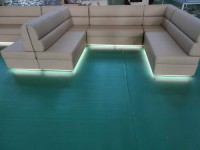
Make your onboard experience delightful with our tastefully designed marine furniture. Our expertise blends functionality with aesthetics, and we have many furniture options that exude comfort, style, and durability. From comfortable beds to ergonomic seating, every article of furniture is meticulously crafted to enhance the comfort of your vessel and withstand the rough weather of the maritime environment. 

Elegant Marine Vessel Interior Paneling

A stylish vessel interior can make any sea journey pleasant and memorable. We are experts in designing and manufacturing interior paneling solutions that have tons of visual appeal while being robust and adaptable. Our panels are engineered to withstand the harsh sea air while maintaining an elegant appearance, providing a seamless integration of functionality and aesthetics for your vessel's interiors.

What Makes Us Unique

As a global distributor of marine outfitting, our commitment to excellence ensures that every product we offer is crafted with precision, reliability, and a keen eye for detail. We prioritize our clients' demands, delivering tailored solutions that meet and exceed their expectations.

Ready To Sail Together?

Explore our range of marine fittings, furniture, and interior paneling and give your marine vessel the unique touch. Join the league of our satisfied clients who have trusted us for their vessel enhancement needs. 

At Jiangyin Minsun Marine, we're not just about fittings but about setting a standard of excellence for your marine vessel. Experience the difference – set sail with us.